
Government officials have highlighted the removal of the Philippines from Financial action groupS (FATF) gray list as a major step in improving the country’s financial system, strengthening international confidence and facilitating financial transactions for companies and foreign Filipino workers (OFW). The delisting, which came into force in February 2025, followed almost four years of reforms to close gaps in the country’s anti-money laundering and financing of terrorism.
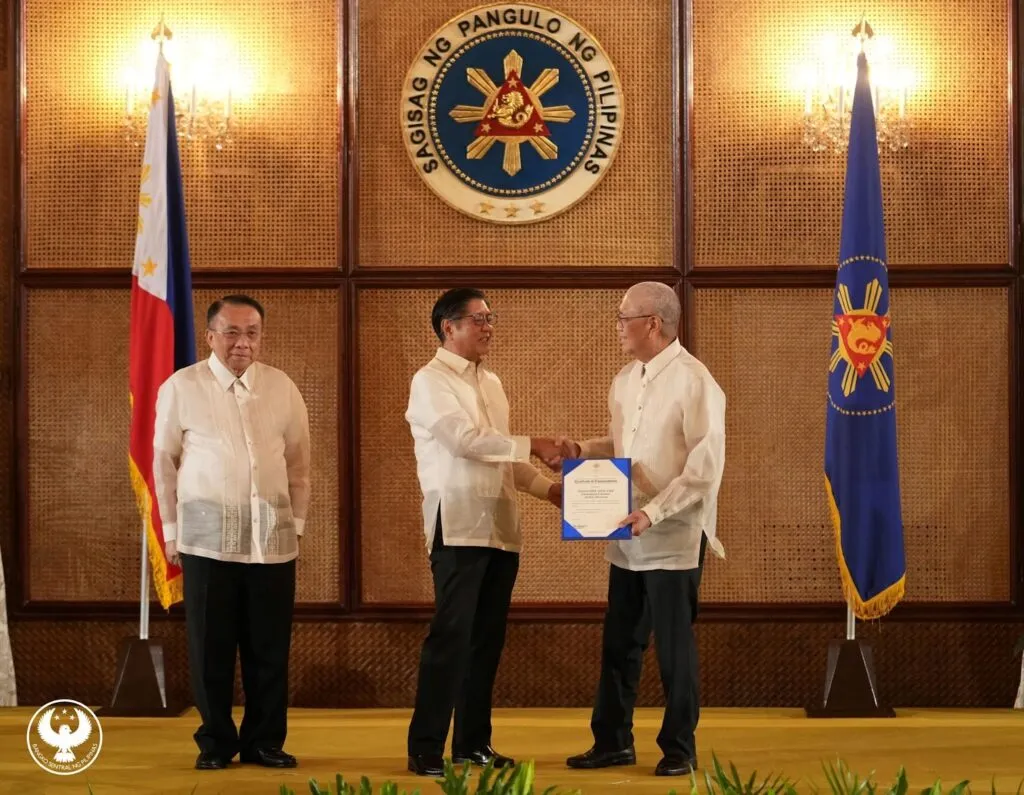
At a ceremony in Malacañang Palace earlier this month, President Ferdinand Marcos Jr. led the recognition of authorities and individuals as instrumental to achieve this milestone. The president described the outcome of the gray list as a national performance and emphasized the need for continued vigilance.
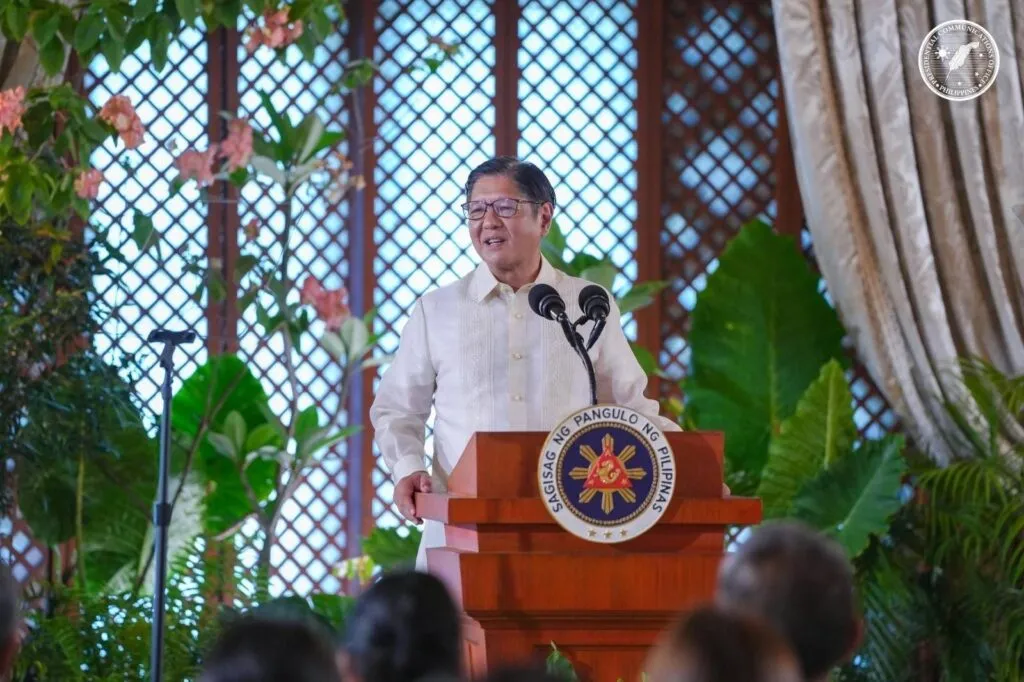
“Today marks a victory, but let me be clear: The work is not yet clear. The journey continues. Even more important is that we must exert twice the effort to maintain our progress,” he mentioned. He also emphasized the need to strengthen the enforcement measures and ensure the resilience of the financial system.
“We have to work even harder to institutionalize reforms. We must tighten our enforcement against money laundering and terrorist financing,” he said. “We must strengthen our financial system so that it can withstand the more sophisticated and technically advanced challenges that the financial sector faces.”
FATF: Philippines no longer under increased supervision
In its official update of February 21, FATF confirmed Philippines“Removal from the list of countries under increased surveillance and says:“ The Philippines is no longer subject to increased monitoring of FATF. “
FATF is the global body responsible for setting standards and monitoring compliance with Prevent money launderingTerrorist financing and financing of dissemination. The Philippines had been on the gray list since June 2021 due to identified deficiencies in its anti -toinanic crime system.
Coordinated reforms under the direction of national agencies
The delisting came after the country fulfilled all the necessary measures in October 2024. Marcos credited this performance to coordinated efforts over authorities, the judiciary and the private sector, governed by Memorandum Circular No. 37, which gave immediate and extensive responses to FATF’s international cooperation group (ICRG) action plan.
“Together, we have erected a comprehensive framework to deal with money laundering, terrorist financing and dissemination of dissemination,” mentioned Executive Secretary Lucas Bersamine, chairman of the national anti-money wash/counter-terrorism/counter-outbreak Financing Coordination Committee (NACC). He acknowledged the divided efforts of public and private stakeholders to fulfill the conditions of FATF.
The president also praised the Anti-Page Wash Council (AMLC) and NACC to lead the campaign and described the result as a demonstration of the country’s commitment to economic integrity and openness.
BSP -Governor: Financial Integrity Confirmed
The central bank, Philippines Central Bank (BSP), Governor Eli Remolona, Jr., emphasized the practical effects of the gray list output for the financial sector and regular Philippines.
“Through coordinated reforms, the authorities strengthened the integrity of our financial system and confirmed our country’s commitment to fight financial crimes,” he said. Remolona also noted the benefits for AVWS and companies regarding more affordable Transactions And easier access to global financial services.
“Institutions can now conduct business with greater confidence. The reforms we have introduced not only meet international standards but also correspond to our long -term goals for openness and financial inclusion,” he added.
Lower cost costs, better asset for investors
Leaving the gray list will lower the cost of International money transfers And improve financial openness, according to analysts. Especially OFW will take advantage of more affordable referral services. Companies will also experience fewer obstacles to access international credit and financial services.
“For us Filipinor, it means leaving the gray list a simpler, more affordable financial transaction system. This means that our OFW can send money home at a lower cost. It also means that our companies are facing fewer obstacles to secure international financing, which encourages foreign investors,” Marcos said.
The gray list status that was previously subjected to financial institutions in the Philippines for closer examination and stricter compliance requirements, which often leads to delays and higher costs. Its removal is expected to encourage international banks to initiate or resume operations in the country, which increases competitiveness in the financial sector.
To keep the country out of the gray list
Marcos made it clear that staying out of the gray list is a long -term responsibility shared by the government and the public.
As part of the commitment to maintain compliance, national authorities are expected to integrate the reforms into their regular activities and strengthen their abilities when it comes to detecting and preventing financial crime.
“As we continue in March ahead, let’s do it in a spirit of one New Philippines (New Philippines) – A nation that is anchored in openness, liability and inclusive development, ”he said.
Look: Unlock the basics to build an effective startup
https://www.youtube.com/watch?v=USKA8CV6I98 Title = “Youtube video player” Ramborder = “0” Allow = “Accelerometer; Autoplay; Clipboard writing; encrypted media; Gyroscope; Image-in-Bild; Web Dividend” Reference Policy = “Strict-Origin-When-Cross-Origin” Allowing Lorscreen = “>”